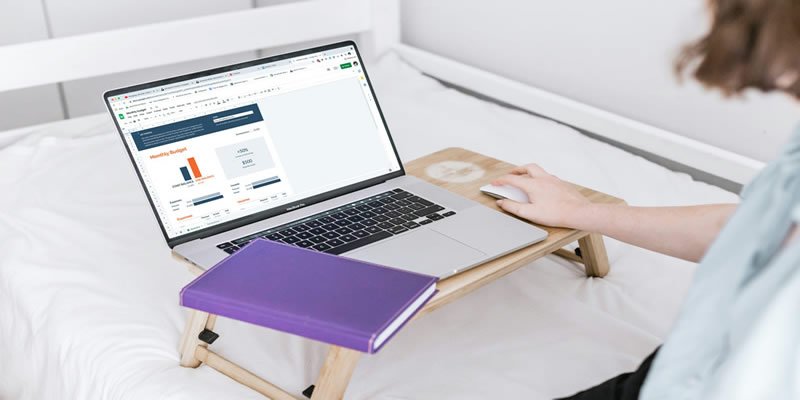
How to Create a Monthly Budget in Pakistan: Simple Steps to Manage Your Money Smartly
Managing your money can be a challenge, especially with rising prices and changing economic conditions in Pakistan. Whether you earn a fixed salary or run your own business, having a monthly budget in Pakistan helps you stay financially organized, save more, and avoid unnecessary debt.
In this article, we’ll guide you step-by-step on how to create a monthly budget in Pakistan that fits your lifestyle, using easy and practical methods. You’ll also learn how to track your spending in PKR and build long term financial discipline.
Why Creating a Monthly Budget is Important
According to a survey by the State Bank of Pakistan, nearly 70% of Pakistanis don’t follow a structured budgeting plan. This often leads to overspending and poor savings habits. A well planned budget gives you:
- Financial Control: Know exactly where your money goes each month.
- Peace of Mind: Avoid the stress of unexpected expenses.
- Savings Growth: Set aside money for emergencies and future goals.
- Debt Reduction: Prevent overreliance on credit cards or loans.
Step-by-Step Guide to Create a Monthly Budget in Pakistan
1. Calculate Your Monthly Income
Start by listing all your income sources salary, freelance earnings, rent, or any side business. In Pakistan, most households receive income in PKR, so make sure to record everything in a single currency for accuracy.
Example:
- Salary: PKR 120,000
- Freelance work: PKR 20,000
- Total Monthly Income: PKR 140,000
2. Track and Categorize Your Expenses
Next, write down all your monthly expenses. Divide them into two main categories:
- Fixed Expenses: Rent, utility bills, internet, school fees.
- Variable Expenses: Groceries, transport, dining, entertainment.
Using a spreadsheet or free budget app (like Money Manager or Wallet) makes it easier to track where your PKR is going.
3. Set Realistic Spending Limits
Once you know your expenses, assign spending limits. For example, if your income is PKR 140,000, you might follow the 50/30/20 rule:
- 50% for needs (bills, rent, food)
- 30% for wants (shopping, outings)
- 20% for savings or investments
This method ensures you live within your means while still enjoying life and saving money.
4. Prioritize Savings and Emergency Funds
In Pakistan, unexpected expenses like medical emergencies or sudden price hikes can quickly disturb your budget. Make it a habit to save at least 10–20% of your income every month. Deposit it in a separate savings account or invest in National Savings Schemes, which are secure and government backed.
5. Monitor and Adjust Monthly
At the end of each month, review your spending. Ask yourself:
- Did I stay within my limits?
- Where did I overspend?
- Can I reduce certain expenses next month?
Adjust your plan as needed. Remember, a personal finance plan in Pakistan is not fixed. It evolves as your income or lifestyle changes.
Tools and Apps for Budget Planning in Pakistan
To make budgeting easier, use free or affordable tools available in Pakistan:
- Google Sheets: Simple and customizable for tracking PKR income and expenses.
- Wallet App: Syncs with your bank and categorizes expenses automatically.
- FinPocket PK: Designed for Pakistan based users to manage savings and investments.
Practical Tips for Saving Money in Pakistan
- Buy groceries in bulk from wholesale markets like Metro or Imtiaz.
- Use discount apps such as Savyour or Golootlo for cashback offers.
- Switch to energy saving appliances to cut electricity bills.
- Plan meals weekly to avoid food waste.
- Use public transport or carpool to save on fuel.
Example: Monthly Budget for a Family in Pakistan
Here’s a sample budget plan for a middle class family earning PKR 150,000/month:
| Category | Amount (PKR) |
|---|---|
| Rent & Utilities | 45,000 |
| Groceries | 25,000 |
| Transport | 15,000 |
| Education | 20,000 |
| Medical & Insurance | 10,000 |
| Savings | 20,000 |
| Leisure | 10,000 |
Total Expenses: PKR 145,000Remaining Balance: PKR 5,000 (for emergencies or additional savings)
Final Thoughts
Creating a monthly budget in Pakistan may seem tough initially, but once you start, it becomes a rewarding habit. It gives you clarity, helps avoid financial stress, and ensures your money works for you. Remember, the key is consistency track, adjust, and stay disciplined.
Whether you’re a student, professional, or small business owner, following these household budget tips PK can help you achieve your financial goals step by step.